Self Assessment for Freelancers: What It Is and How It Actually Works
“Dealing with self assessments and tax returns can be very stressful. But David Roseweir in STZ Accounting made that very simple. He is approachable, efficient and very professional.”
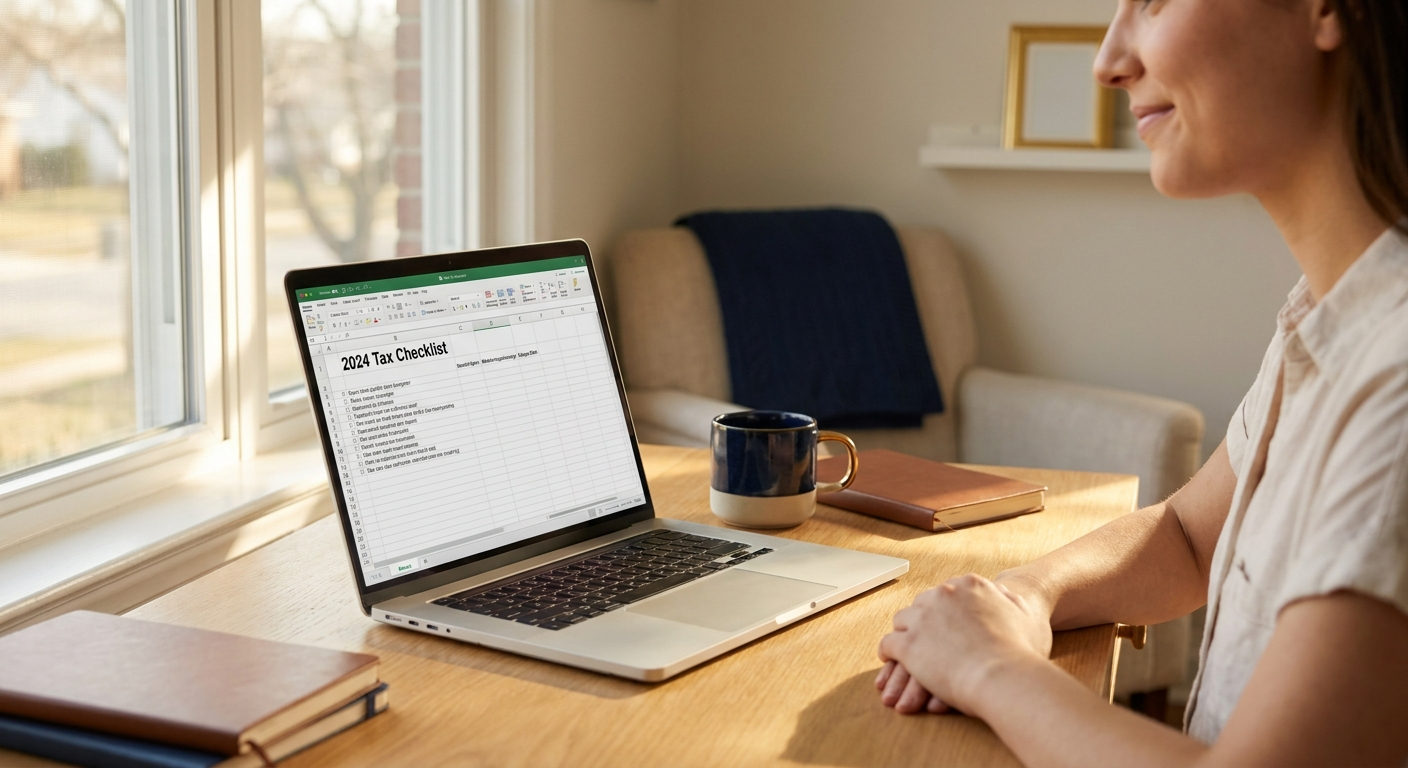
Self assessment for freelancers is one of those things nobody actually explains when you go self-employed. You’re just expected to know — and most people don’t, at least not at first.
What Self Assessment Actually Is (And Why It Exists)
Self assessment is HMRC’s system for collecting income tax from people whose earnings aren’t taxed automatically. When you were employed, your employer handled all of that through payroll. As a freelancer, that responsibility shifts to you.
Once a year, you file a tax return telling HMRC what you earned, what your allowable business expenses were, and what other income you had. They calculate what you owe based on that information. It sounds more complex than it is in practice, but there are real deadlines and real penalties if you miss them.
You need to register with HMRC for self assessment before you can file a return. If you started freelancing this year and haven’t registered yet, do it now. HMRC expects you to register by 5 October following the end of the tax year in which you first started earning self-employed income.
The Deadlines That Matter and What Happens If You Miss Them
The UK tax year runs from 6 April to 5 April the following year. Your self assessment tax return for a given tax year is due by 31 January the year after it ends. So for the 2025/26 tax year (which ends 5 April 2026), your return and any tax you owe must be with HMRC by 31 January 2027. HMRC’s self assessment guidance sets out all of this, but the January 31st date is the one most freelancers need to remember.
Miss that date and you get an automatic £100 penalty, even if you owe no tax at all. It goes up from there the longer it sits. The good news is that if you file on time and pay what you owe, you won’t hear from HMRC at all. Most freelancers I work with find the dread is much worse than the reality of actually getting it done.
What You Actually Need to Pull Together Before You File
The information you need isn’t complicated, but gathering it in one place is where most freelancers lose time. You’ll need a record of all your income for the tax year — every invoice you raised, every payment you received. You’ll also need details of your allowable business expenses, things like software subscriptions, professional fees, travel costs, and equipment used for work.
On top of that, HMRC will want to know about any other income you have. That could be rental income, employment income from a part-time job, savings interest, or dividends. The key change worth knowing about is that since the basis period reform introduced from the 2024/25 tax year, your taxable trading profits are now calculated on what you actually earned within the tax year itself, not based on your accounting period end date. For most freelancers it makes very little difference in practice, but it’s worth being aware of.
Can You Do It Yourself, or Should You Get an Accountant?
Honestly? Some freelancers can do this themselves. If your income comes from one or two clients, you have no other income sources, and your expenses are straightforward, the HMRC online system is manageable. The bigger risk isn’t getting the return wrong on purpose — it’s missing legitimate expenses you didn’t know you could claim, or making errors that attract questions later.
Where an accountant earns their fee is in the details. I regularly find freelancers who are paying more tax than they need to, simply because they don’t know what they can claim. Things like use of home as an office, relevant training costs, and the rules around capital allowances on equipment all add up. A fixed-fee accountant who deals with freelancers every day will often save you more than they cost. The decision comes down to your confidence level, your time, and how complex your situation is.
If you’re sitting there wondering whether you’ve got this right, or you just want someone to take it off your plate entirely, feel free to drop me a message. I work with freelancers across Scotland and the UK, and I’m happy to have a straightforward chat about where you stand before you decide anything.
Want to go further with this?
Whether you want to read through everything in detail or just talk it through with someone who knows this inside out, here are your two next steps.
Not sure where you stand with your self assessment?
Answer five quick questions and find out exactly what you need to do next.

AAT qualified accountant based in Strathaven. Personal, one-to-one accounting for small businesses and sole traders across the UK.