What Landlords Actually Need to Know About Filing a Tax Return
“Dealing with self assessments and tax returns can be very stressful. But David Roseweir in STZ Accounting made that very simple. He is approachable, efficient and very professional.”
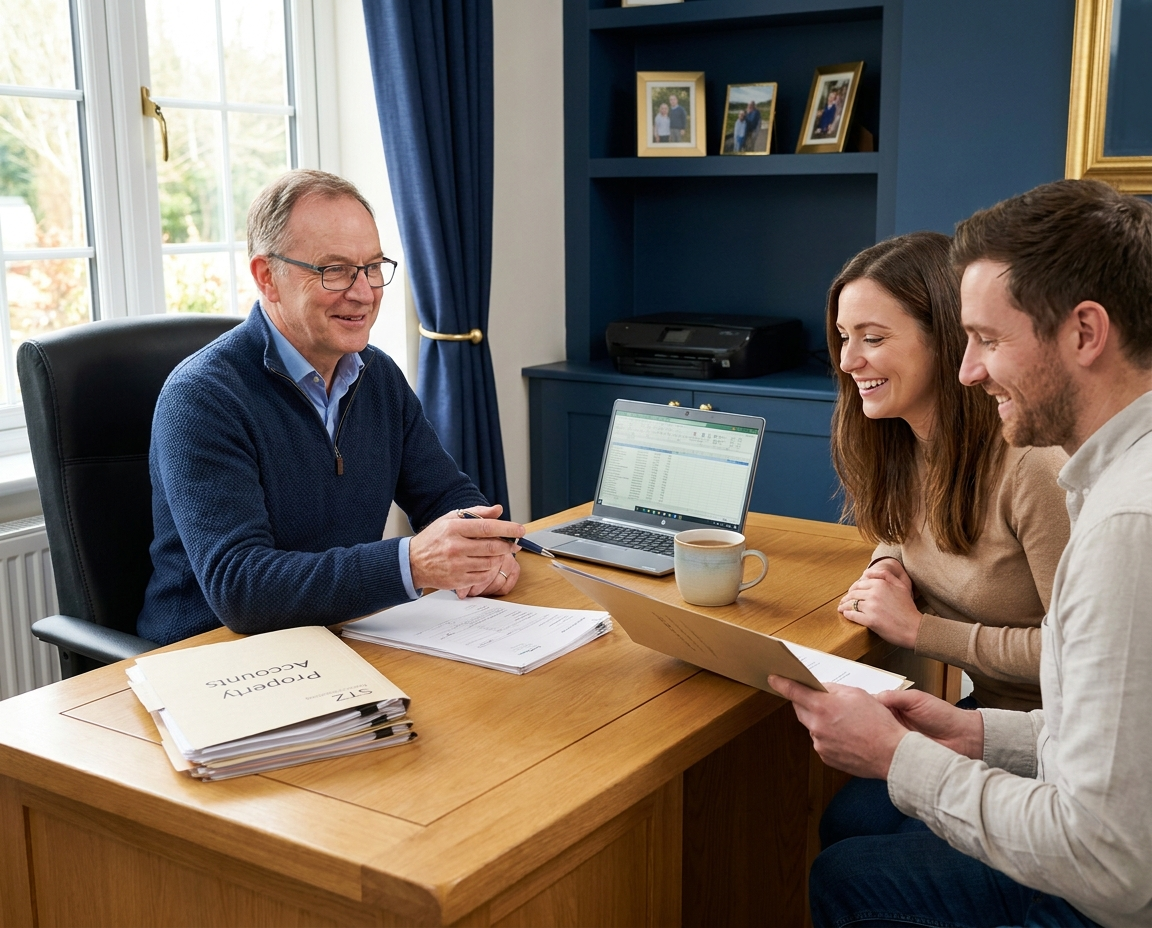
Do landlords need to file a tax return? In almost every case, yes. If your rental income is over £1,000 a year, HMRC expects to hear from you.
When Do You Actually Need to File a Tax Return as a Landlord?
The basic rule is this: if your annual rental income exceeds £1,000, you need to register for Self Assessment and file a tax return each year. That £1,000 figure is called the Property Income Allowance, and it’s the only situation where a small-scale landlord can avoid filing altogether. Below that figure, you have nothing to declare. Above it, you do.
A lot of landlords I speak to think they only need to file if they make a profit. That’s not how it works. Even if your allowable expenses cancel out most of your income, you still need to report the gross rental income to HMRC. The online deadline is 31 January each year, and HMRC’s late filing penalties start from the very first day you miss it, so getting registered early makes life much easier.
If you’re not already registered for Self Assessment, you need to tell HMRC by 5 October following the tax year in which you first received rental income. Missing this date can itself trigger a penalty before you’ve even filed anything.
What Can You Actually Claim as a Landlord?
This is where landlords either leave money on the table or get themselves into trouble. You can claim allowable expenses against your rental income to reduce the amount of tax you owe. Letting agent fees, landlord insurance, repairs and general maintenance, council tax paid between tenancies, water rates, and accountancy fees are all fair game.
What you cannot claim is anything classed as capital expenditure. Fixing a broken boiler is a repair and is allowable. Fitting a new boiler to upgrade the property might be treated as capital. The line between the two catches a lot of landlords out, and getting it wrong in either direction creates problems. If you’re not sure which category something falls into, it’s worth checking before you file rather than after.
Section 24 and Mortgage Interest: What Changed and Why It Matters
Section 24 is the tax change that caught a lot of landlords off guard, and it’s still causing confusion now. Before it was introduced, you could deduct your full mortgage interest from your rental income before calculating how much tax you owed. That’s no longer allowed for individual landlords. Instead, you get a 20% tax credit on your mortgage interest payments, regardless of what rate of tax you actually pay.
If you’re a higher-rate taxpayer, this makes a real difference to your take-home from a rental. A landlord who used to offset mortgage interest at 40% is now only getting relief at 20%. That gap can turn what looked like a profitable property into a loss-making one once tax is accounted for. It’s worth sitting down and running the actual numbers, not just the gross rental income figure.
Making Tax Digital Is Coming for Landlords: What You Need to Know
If your total income from property and self-employment is over £50,000 per year, Making Tax Digital for Income Tax applies to you from 6 April 2026. This is a bigger change than most people realise. Instead of one annual Self Assessment return, you’ll need to submit quarterly updates to HMRC using compatible software, on top of a final end-of-year declaration.
According to HMRC’s guidance on Making Tax Digital for Income Tax, penalty points for late quarterly updates won’t be applied in the first year (2026 to 2027) for those who are required to join from April 2026. But penalties for late tax returns and late payment of tax still apply from day one. If you’re anywhere near the £50,000 threshold, now is a good time to get your records in order and make sure you’re using software that qualifies.
Landlord tax returns are more involved than most people expect the first time they sit down to do one. If you’ve got questions about any of this, or you’re not sure you’ve been handling things correctly, I’m happy to talk it through. Just drop me a message or book a free call and we’ll go from there.
Want to Go Further?
There are two good places to go next. One covers everything in more detail, and the other is a free call where I can answer your specific questions directly.
Not sure where you stand with your landlord tax return?
Answer five quick questions and find out exactly what you need to focus on before the next deadline.

AAT qualified accountant based in Strathaven. Personal, one-to-one accounting for small businesses and sole traders across the UK.