A No-Nonsense Guide to Self Assessment for Freelancers
“Dealing with self assessments and tax returns can be very stressful. But David Roseweir in STZ Accounting made that very simple. He is approachable, efficient and very professional.”
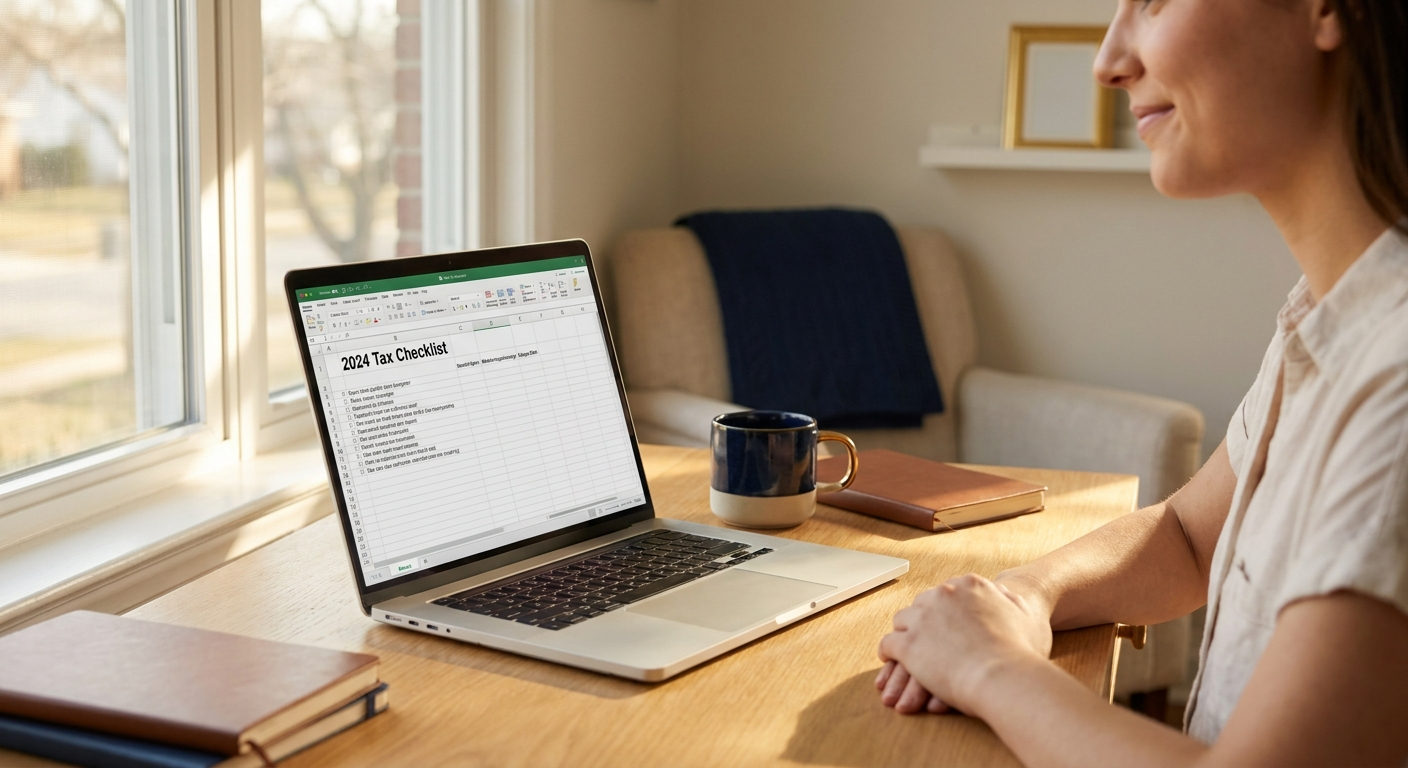
Most freelancers are not taught how self assessment works before they need to file one. This guide explains what you are required to do, when the deadlines fall, what expenses you can claim, and how to avoid the mistakes that cost people money or trigger HMRC penalties.
Why self assessment matters for freelancers
Self assessment is the system HMRC uses to collect income tax and National Insurance from people whose earnings are not taxed at source through payroll. As a freelancer, no employer deducts tax from your invoices, which means you are responsible for calculating what you owe, reporting it to HMRC, and paying by the deadline. Getting this wrong carries financial penalties, and the rules have changed in recent years in ways that catch people out.
From the 2024 to 2025 tax year, HMRC introduced basis period reform, which changed how self-employment income is allocated to tax years. Under the new tax year basis, your taxable profit is calculated on income earned between 6 April and 5 April each year, regardless of when your accounting period ends. If your accounts have always run to a different year-end date, this reform may have affected how your 2023/24 return was filed and how your returns work going forward.
If you are self-employed and your income is over £50,000, Making Tax Digital for Income Tax applies to you from April 2026. This means quarterly digital submissions to HMRC, not just one annual return. You can check whether this affects your situation at HMRC’s MTD guidance page. If you are close to that threshold, it is worth planning ahead now.
Where most freelancers go wrong
The errors that appear most often on freelancer tax returns fall into two categories: income that goes unreported and legitimate expenses that never get claimed. Both have a cost, though in opposite directions. Missing income risks an HMRC enquiry or penalty. Missing expenses means you pay more tax than you legally owe.
Not registering with HMRC before the deadline
You must register for self assessment if your self-employment income exceeds £1,000 in a tax year. The registration deadline is 5 October following the end of the tax year in which you started freelancing. So if you started trading during the 2024 to 2025 tax year, the deadline to register was 5 October 2025. Missing this does not mean you avoid the tax, it means HMRC can charge penalties on top of what you owe.
Claiming the wrong expenses, or missing the right ones
Freelancers can offset allowable business expenses against their income, which directly reduces the amount of tax owed. The problem is that HMRC has specific rules about what qualifies. Claiming personal costs as business expenses puts you at risk of an enquiry. Failing to claim legitimate deductions such as a proportion of home working costs, business phone use, professional subscriptions, or equipment means you overpay. Both errors are common and both are preventable with accurate record-keeping.
“Most freelancers I work with are not in as much trouble as they feared. They just needed someone to sit down with them, go through their income and expenses, and work out what they actually owe. That conversation usually takes about 20 minutes.”
What to do, step by step
There are four clear actions that cover everything you need to file a correct self assessment return as a freelancer. Working through these in order means you will not miss anything important or find yourself scrambling at the January deadline.
- Register for self assessment through the HMRC website if you have not already done so. You will need a Government Gateway account. HMRC will post your Unique Taxpayer Reference (UTR) to you, which can take up to 10 working days to arrive, so do not leave this until late January.
- Gather your financial records for the tax year running from 6 April to 5 April. This means all invoices you raised, bank statements showing the income you received, receipts or records for any business expenses you are claiming, and details of any other taxable income such as savings interest, dividends, or rental income.
- Complete your SA100 tax return on the HMRC portal or through approved software, adding the SA103 self-employment supplementary pages to report your freelance income and expenses. The online filing deadline is 31 January, and any tax owed must also be paid by that date. If you miss the payment deadline, HMRC charges interest from 1 February.
If your accounting period does not run to 5 April, you may also need to factor in transition profit calculations arising from the basis period reform. HMRC’s HS222 helpsheet for 2026 covers how to calculate taxable profits under the new rules, including any remaining transition profit from 2023/24.
Costs and what to expect
Filing your own self assessment through HMRC’s online portal is free and entirely possible if your income is straightforward. It takes time to gather the records correctly, and errors or missed deductions can cost more than an accountant’s fee would have. An accountant handling your return removes that risk, claims every allowance you are entitled to, and gives you a fixed cost upfront so there are no surprises at the end.
| Option | Pros | Cons |
|---|---|---|
| DIY via HMRC portal | No accountancy fee | Risk of errors, missed expenses, and potential penalties if filed incorrectly |
| Using an accountant | Accurate filing, all allowances claimed, deadline tracked for you | Annual or monthly fee, though often offset by the tax saved |
How to get started today
You do not need everything in perfect order before you take action. The most useful thing right now is to check where you stand with HMRC registration and get a basic picture of your income and spending for the last tax year. Even rough figures are a useful starting point.
- Log in to your Government Gateway account and confirm you are registered for self assessment. If you started freelancing in the 2024 to 2025 tax year and have not yet registered, the deadline was 5 October 2025 and you should act immediately.
- List every source of income you received between 6 April 2024 and 5 April 2025 and gather any receipts or bank records for business costs you incurred during that period. A simple spreadsheet with dates, amounts, and descriptions is enough to start.
Ready to sort your freelancer tax return?
David takes care of your self assessment from start to finish at a fixed price, with same-day responses and no contract tie-in. Book a free 20-minute call to go through your income, your expenses, and what you actually owe.
How ready are you to file your freelancer self assessment?
Answer five quick questions and get a clear picture of what your next step should be.

AAT qualified accountant based in Strathaven. Personal, one-to-one accounting for small businesses and sole traders across the UK.