Do You Actually Need an Accountant When You Run a Limited Company?
“David is exceptional. Over my years in business I have worked with several accountants for different projects. David is quick, efficient & his price is excellent value for money. I highly recommend him.”
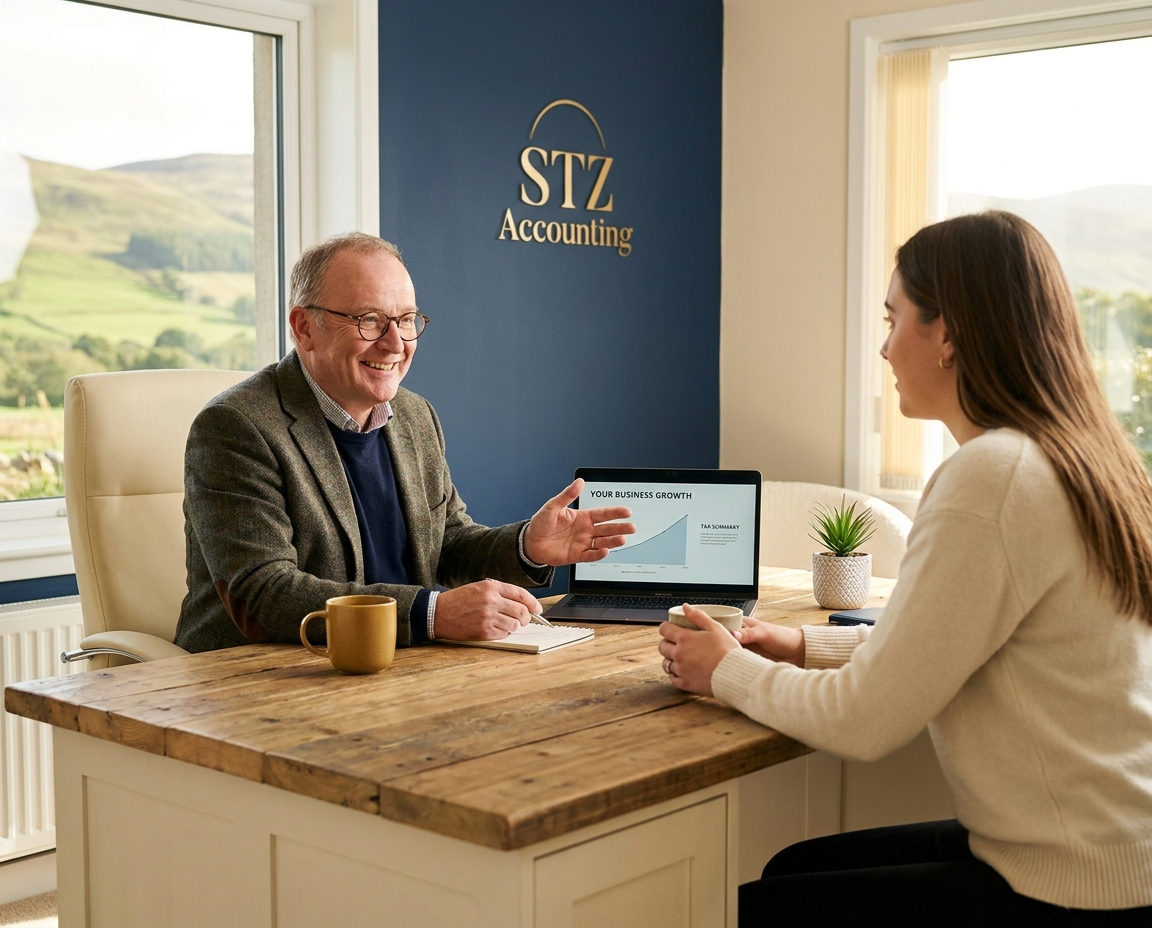
Do you need an accountant for a limited company? Technically, no. Legally, there’s nothing stopping you from filing everything yourself. But once you understand what’s actually required, most directors quickly decide the answer is yes.
What Actually Changes When You Form a Limited Company
When you’re a sole trader, your finances and your business finances are effectively the same thing. You file a Self Assessment once a year and that’s the bulk of your obligation. Going limited changes that picture entirely.
As a director, you’re now running a separate legal entity with its own tax obligations, its own bank account, and its own relationship with HMRC and Companies House. You’ll need to file annual accounts, a corporation tax return, a confirmation statement, and likely a Self Assessment for yourself as well. That’s four separate filings before payroll or VAT even enters the conversation.
Your limited company accounts must be filed with Companies House and your corporation tax return filed with HMRC. These are two separate submissions with two separate deadlines, and missing either one can trigger automatic penalties.
What a Limited Company Accountant Actually Does for You
The short answer is: they handle the compliance so you don’t have to worry about it, and they advise you on the tax side so you’re not overpaying. In practice, that covers quite a bit of ground. A good accountant will prepare your year-end accounts, file your corporation tax return, run your payroll, submit your VAT returns, and file your personal Self Assessment as a director.
The less obvious part is the planning side of things. Questions like how to split salary and dividends tax-efficiently, how to handle a director’s loan account, and when it makes sense to stay VAT registered versus opting for the Flat Rate Scheme. These aren’t things you’ll find a clean answer to on Google. They depend on your specific numbers and your circumstances, which is why having someone who knows your business makes a real difference.
Is There Anything Different About Running a Limited Company in Scotland?
Most of the core compliance for limited companies is UK-wide. Corporation tax, Companies House filings, HMRC deadlines, payroll rules, VAT. None of that changes because you’re north of the border. But there are two areas where Scotland genuinely differs, and they’re worth knowing about.
The first is Scottish income tax. If you pay yourself a salary as a director and you live in Scotland, you’re subject to Scottish income tax rates, which sit differently from the rest of the UK. For 2026/27, the rates run from 19% at the Starter Rate up to 42% for Higher Rate taxpayers, with an Intermediate Rate of 21% that doesn’t exist anywhere else in the UK. Getting your salary and dividend split right matters more in Scotland because of this structure. The second is Land and Buildings Transaction Tax (LBTT), which replaces Stamp Duty Land Tax for any property purchases in Scotland. If your company ever buys property, you’re dealing with LBTT rather than SDLT, and the rates and bands are different.
What to Look for When You’re Choosing an Accountant for Your Limited Company
Fixed fees matter. A lot of accountants quote a headline price and then add on extras for every additional filing. Before you sign up with anyone, ask specifically what’s included: annual accounts, corporation tax, confirmation statement, payroll, VAT, and your own Self Assessment as a director. If any of those are billed separately as add-ons, the real cost will be higher than the number they quoted you.
Response time is the other thing I’d push on. When HMRC sends you a letter you don’t understand or Companies House flags something, you want to be able to get an answer the same day, not wait a week for someone to call you back. It’s also worth being clear on who you’ll actually be dealing with. In a larger firm, your day-to-day contact might be a junior who escalates things upward. That’s fine for some people, but if you want someone who knows your numbers and picks up when you call, a smaller practice is usually the better fit. From April 2026, Making Tax Digital for Income Tax Self Assessment also applies to self-employed individuals and landlords earning over £50,000 a year, so it’s worth making sure whoever you work with is already set up for digital record-keeping.
If you’ve just gone limited and you’re trying to get your head around what needs to happen and when, just get in touch. I work with contractors, consultants, and small business directors across Scotland and the UK, and I’m happy to talk through your situation without any pressure. Drop me a message any time.
Ready to take the next step?
Whether you want to read further before committing to anything, or you’d rather just have a conversation, both options are here.
Not sure what your limited company actually needs right now?
Answer five quick questions and find out which filings you should be focused on and whether your current setup is leaving anything exposed.

AAT qualified accountant based in Strathaven. Personal, one-to-one accounting for small businesses and sole traders across the UK.