What Is Bookkeeping for a Small Business, and Do You Actually Need to Worry About It?
“David is exceptional. Over my years in business I have worked with several accountants for different projects. David is quick, efficient & his price is excellent value for money. I highly recommend him.”
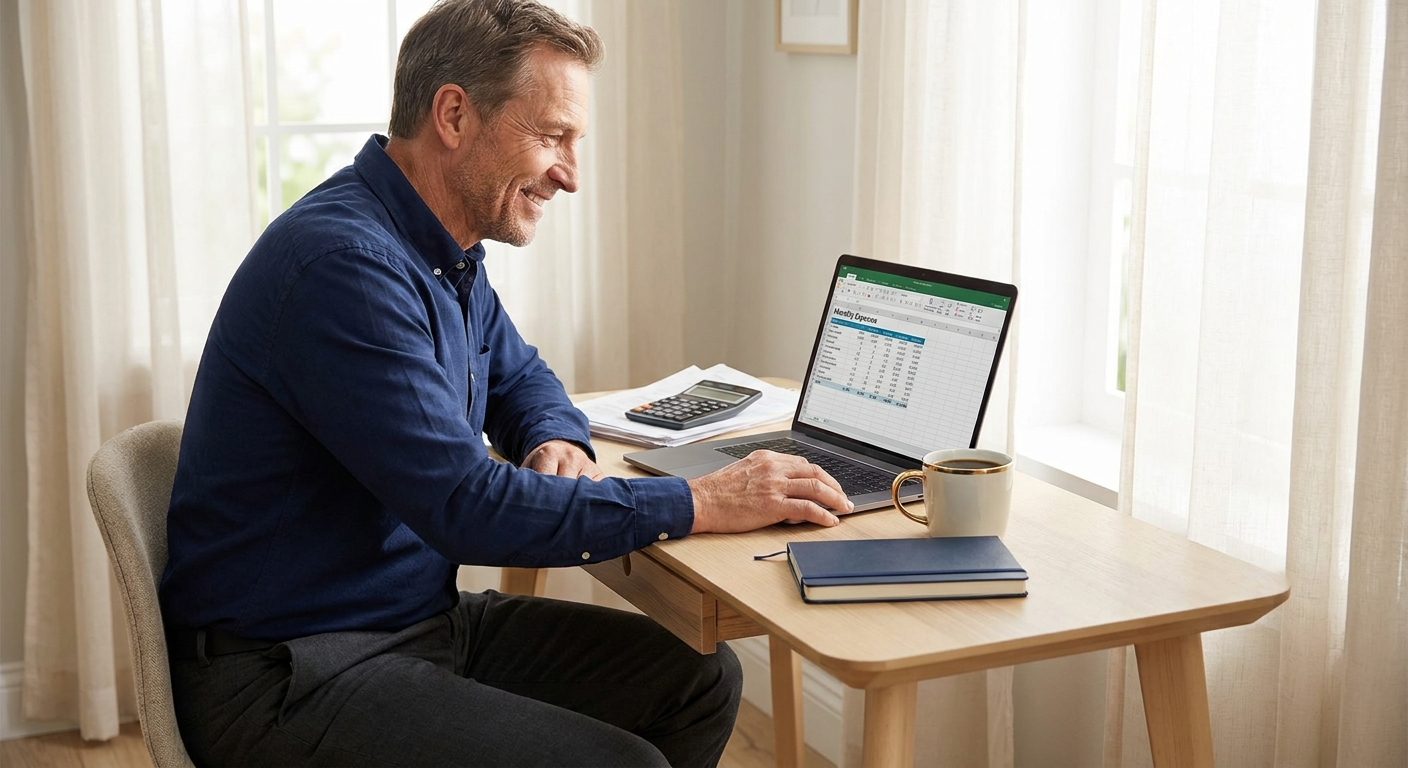
What is bookkeeping for a small business? In short, it is the habit of recording every penny your business earns and spends, so that you always know where you stand. It sounds simple, but it is the thing most small business owners either ignore or dread, and that combination tends to cause problems.
What Bookkeeping Actually Means in Practice
Bookkeeping is not the same as accounting, and it is worth being clear on that. Bookkeeping is the recording layer: logging your sales, tracking your expenses, reconciling your bank account, and keeping receipts somewhere sensible. Accounting sits on top of that, using your records to prepare tax returns, annual accounts, and financial reports.
Think of bookkeeping as keeping score. Without it, you genuinely do not know if your business is making money, how much tax you owe, or whether you can afford to take money out. I have spoken to plenty of business owners who were convinced they were doing fine, only to discover their books told a very different story.
From the 2024-25 tax year, cash basis accounting is the default method for self-employed businesses. That means you record income when you receive it and expenses when you pay them, which is generally simpler to manage day to day.
What Records HMRC Actually Expects You to Keep
If you are self-employed or running a business, HMRC requires you to keep records of your business income and expenses for your Self Assessment tax return. Those records need to be kept for at least five years after the 31 January filing deadline for the relevant tax year. That is not a suggestion, it is a legal requirement.
In practice, this means keeping invoices, receipts, bank statements, mileage logs, and any records of business expenses. A Gmail folder stuffed with PDFs technically counts, but it will make your life very difficult when your accountant asks for six months of transactions and you have to piece it all together under pressure.
DIY Bookkeeping vs Getting Help: How to Decide
If your business is straightforward, your transaction volumes are low, and you enjoy keeping things tidy, doing your own bookkeeping is entirely reasonable. Cloud accounting software like Xero or QuickBooks can make this manageable, though there is a learning curve involved and you are relying on an internet connection to access your data. HMRC regularly updates its guidance on record-keeping requirements, so you need to stay on top of that too.
The calculation changes as your business grows. Monthly bookkeeping packages for small UK businesses typically cost between £120 and £300 per month, depending on transaction volume and complexity. For most small business owners, the time saved and the peace of mind that comes from knowing it is done correctly is worth far more than that.
What to Look For When You Are Ready to Get Help
Fixed pricing matters more than most people realise at first. An hourly rate sounds fine until you get an invoice for three times what you expected. Ask any bookkeeper you are considering for a clear, fixed monthly cost based on your transaction volume before you agree to anything.
Responsiveness is the other thing I would look at. Your bookkeeper is handling something important to your business, and you need to be able to get a straight answer when you have a question. That is something I hear from clients regularly: they came to me because their previous accountant took days to reply, or sometimes never replied at all.
If your books are currently somewhere between chaotic and non-existent, please do not panic. Most of the people I work with started in exactly that position. It is fixable, and it is usually not as bad as you think once someone sits down and goes through it properly. If you want to talk it through, just drop me a message.
Want to go further with this?
Here are two places to go next, depending on where you are right now. One gives you the full picture, and the other gets you talking to me directly.
Not sure if your bookkeeping is in good shape?
Answer five quick questions and find out exactly what you should be doing with your records right now.

AAT qualified accountant based in Strathaven. Personal, one-to-one accounting for small businesses and sole traders across the UK.